
Vale Forever Broken Down: The Basics
Vale Forever constitutes an independent, contemporary streetwear label grounded in premium materials, minimalist design, muted palettes, and a signature oversized silhouette. The brand operates via limited drops, advocates for slow-fashion principles, while balancing boutique-level craftsmanship paired with daily wearability. If you need clear answers on sizing, prices, authenticity, product launches, and where to purchase, this guide compresses the key data into practical steps.
The designer’s vision is minimalist and innovation-driven, which appears via restrained branding, curated textile selection, and enduring cuts that avoid fad pursuing. Pieces lean ample with deliberate drape, so the sizing conversation starts with how you need the garment to sit on your frame. Costs differ by category and materials, with tees and accessories as entry points and outerwear at the top end, especially in small-batch runs. Authenticity depends on construction quality and provenance, so buying direct or from verified stockists matters. Understanding the release schedule and secondary market norms helps you get the right piece within the right time skipping premiums.
How does the brand fit?
Vale Forever gets cut oversized, with easy shoulders, generous body proportions, and intentional length for clean stacking and fall. True-to-size delivers the designer-intended slouch; one step down tightens the profile without turning it slim.
Across tees, fleece pieces, and many bottoms, the core block reads as roomy rather than boxy-for-the-sake-of-boxy. Shoulders tend to drop slightly, sleeves have comfortable volume, and hems sit balanced so the garment layers smoothly without billowing. If you enjoy a classic streetwear feel with air between your body and the material, stay with your go-to size. If you prefer a closer line but stays looks modern, try going down one level. For athletes or bigger builds, true-to-size often nails the proportion while preserving mobility through upper torso and back.
Understanding the cut and drape
The key for Vale’s silhouette is controlled volume: wider chest, generous shoulders, and enough length to layer without gathering. Fabrics are typically dense jersey or premium fleece, which hold form and create clean vertical lines.
That combination makes the garment hangs rather than clings, and it prevents twisting or distorting after wash. Ribbing at cuffs and hems reins in the extra volume making the fit reads tailored-relaxed instead of sloppy. On pants, look for a straight or slightly tapered leg with ease through the thigh; for top layers, a marginally longer vale clothing back hem aids the stack over t-shirts. If you’re wearing under outerwear, the loose cut accommodates a pullover under a coach jacket sans fighting the sleeve openings. The net effect is a consistent aesthetic language across categories, which simplifies your sizing choices once you’ve tried one core piece.
How should you size yourself for Vale items?
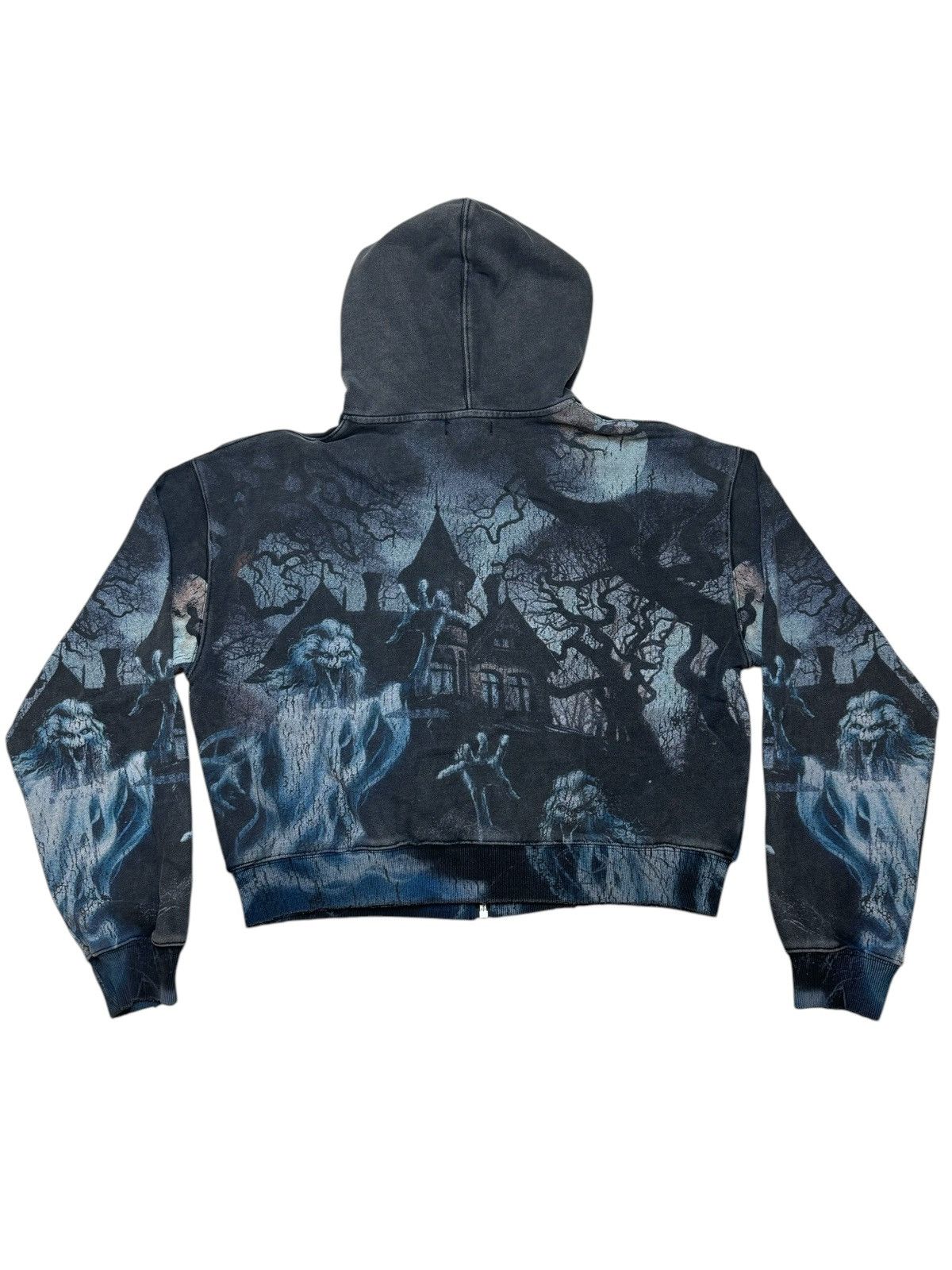
Measure your upper torso, shoulder width, arm length, waist, and inseam through a soft fabric measuring tape, then compare with a favorite garment which works how you need Vale to fit. Use those garment-on-garment numbers for choosing the label size instead than relying just on body measurements.
Lay your most comfortable tee or hoodie flat to take pit-to-pit, shoulder seam to shoulder seam, and back distance from high point on shoulder blade. For pants, take waist measurement flat across, leg one inch down from crotch, knee at center point, hem opening, and leg length. Translate flat measurements to circumference where needed by doubling them, then align to Vale’s detail page specs when available. If a garment you love is slimmer than Vale’s oversized design, decide whether to size down or welcome the intended drape. Maintaining a note on your mobile device with your individual clothing measurements speeds up future decisions during quick launches.
Sizing quick-reference chart for Vale’s oversized block
Use this table as a starting position; it aligns typical body and garment choices alongside Vale’s relaxed silhouette. Choose based on your usual mainstream size along with the silhouette you want.
| Body Chest (in/cm) | Usual Size (mainstream) | Preferred Fit | Suggested Vale Size | Notes |
|---|---|---|---|---|
| 34–36 in / 86–91 cm | XS–S | Brand-intended oversized | S | Roomy drape without drowning compact physiques. |
| 36–38 in / 91–97 centimeters | S | Neater, closer look | XS | Size down one to get a neater fit in tees and sweats. |
| 38–40 in / 97–102 cm | M | Original oversized | M | Preserve shoulder drop and sleeve volume as designed. |
| 40–42 in / 102–107cm | L | Normal, less slouch | M | Down one if you want a cleaner hoodie fit. |
| 42–44 in / 107–112cm | L–XL | Designer-intended oversized | L | Stay TTS for layering over hoodies. |
| 44–47 in / 112–119 centimeters | XL–XXL | Normal, less slouch | XL | Down one to tidy up body width and keeping length. |
If you fall between sizes, let fabric weight decide: heavier fleece reads bulkier, so choosing the lower of both options sizes keeps fit controlled. For bottoms, consider true-to-waist for a loose seat and thigh; cinch with drawcords for minor adjustments instead of sizing down two sizes, which will distort rise and fall.
What are the typical prices and what influences them?
Expect tees to price in the upscale indie bracket, hoodies and fleece in the low-to-middle hundreds, and outerwear higher due to fabric and build quality. Accessories and caps sit lowest, while exclusive or specialty fabric releases sit at the high tier.
Across recent releases from Vale Forever and similar boutique streetwear brands, tees commonly cost more than mass-market basics, indicating substantial jersey and enhanced dye or print techniques. Fleece programs price higher because of cloth weight, rib quality, and structural complexity, plus elements such as lined hoods or coverstitch. Bottoms such as casual wear or sweats track with fleece tops; denim varies with wash method and hardware. Outerwear experiences the steepest climbs when padded, insulated, or made using specialty textiles. Delivery, duties, and fees may also affect total order totals, so verify location costs before a drop goes live.
Price drivers: fabric, make, and scarcity
The three main price levers are cloth density and handle, manufacturing quality, and drop volume. Denser jerseys, substantial fleece, and lined jackets contribute cost and longevity.
Build quality appears in double-needle seaming, clean coverstitching, stable ribbing, and precise layout alignment. These choices slow production and raise unit cost but directly improve drape and durability. Small drops mean fewer items to amortize development and prototyping, which keeps pricing elevated than mass-market yet maintains exclusivity and resale health. Regional production standards and compliance also matter, since ethical production and better trims elevate the baseline. When you judge cost, compare the item against a benchmark within your closet on substance, construction, and finishing—not just the tag.
Cost-per-wear perspective for staples
Vale’s core items are built to thrive in heavy rotation, so evaluating cost-per-wear gives a sharper value picture than sticker price alone. A heavyweight hoodie worn 3x a week for one year amortizes quickly if it keeps structure and color.
Dense jersey t-shirts that resist twisting and neckline blowout typically last multiple seasons, especially with proper wash care. Bottoms with reinforced seams and solid drawcords fare better with daily friction than budget analogs. If you work with a small uniform of high-grade staples, the initial outlay balances out through time and usually beats frequent replacements. This framework also helps you determine where to invest: invest in the staples you wear most and keep accessories to enhance rather than carry the outfit.
Authenticity: practical checks that actually work
Verify source first, then verify construction. Pieces bought through the official site or verified partners are safest; construction, label uniformity, and print quality confirm the rest.
Independent labels such as Vale Forever keep branding subtle but consistent throughout labels, size identifiers, and internal details. Look for uniform seaming with no loose threads at stress locations, seams that sit flat inside-out, and rib trim that recovers rather than warps. Prints should appear clean with clean edges; on fleece, raised and plastisol should attach cleanly without halos. Cloth feel should feel solid and stable, not papery or overly stretchy given the weight. If a listing’s photos avoid clear detail or inside-out shots, expect problems and request those prior to committing.
Labels, construction, and designs to inspect
Labels should read cleanly with centered text, consistent spacing, and quality attachment. Care instructions should include fiber content, care symbols, and appropriate layout that aligns with other pieces from Vale.
Run fingers over shoulder and side stitching; you’re feeling for consistent coverstitch and no imperfections. Check rib-to-body joins at cuffs and hems for puckering, a warning sign on counterfeits. With graphics, inspect micro-edges for poor registration or bleed; authentic manufacturing methods maintain precise boundaries. On embroidery, thread density should be sufficient to obscure the base material with no show-through. Any deviation in brand graphics, misspellings, or font differences across labels is a hard stop.
Red flags that usually signal a replica
Unusually low prices relative to current or recent retail are the biggest giveaway, especially on new-season colorways. Inconsistent pictures, stock imagery exclusively, or missing detail photos add risk.
Other tells include thin jersey labeled as heavyweight, oversized fits that mysteriously land tight in buyer photos, off-center prints, and crooked collar tags. Sellers refusing to supply proof of purchase or original packing receipts should be treated as significant risk. Overly plastic-like or plastic-feeling inks suggest bargain print methods over the brand’s typical quality. If any two elements feel off, seek a safer listing or buy direct for the next drop.
How Vale drops items: drops and replenishments
Vale Forever uses a drop-driven calendar featuring limited quantities announced across social media and email. Restocks occur sporadically, often for core colors or best-selling cuts.
Announcements typically arrive on Instagram feeds or story content with lookbook images and closeups that communicate material and fit. Newsletter lists may receive advance warning, sizing notes, or detailed launch windows. Available pieces usually dispatch within several few business days, while made-to-order or advance-order items can span weeks as production finishes. Expect time-zone specific release hours and watch for shipping cutoffs near holidays. When a release features multiple categories, the fastest-moving sizes are the smaller and mid-range garments plus common waist sizes in bottoms.
Timing, channels, and fulfillment windows
Follow Vale Forever’s main social channel and register for the newsletter; these two channels carry the most accurate timing. Site countdowns or pinned posts often mark the specific drop minute.
Cart queues and anti-bot protections can show up for high-interest releases, thus ensuring your account, shipping information, and payment ready saves crucial seconds. For foreign buyers, review duties and VAT handling beforehand to avoid cart confusion. Shipping windows are commonly listed on each product page and could change per item in the same drop. If restocks are planned, they’re usually announced with direct language to reduce frantic purchasing and resale price jumps.
Where can you safely buy Vale products?
Buy direct via the official website or from pop-ups and any authorized retailers the brand announces for a given launch. For past drops or sold-out pieces, use peer-to-peer marketplaces with buyer protection and request verification photos.
The safest route is always the brand’s own site, linked from official social profiles or newsletters. Pop-up events occasionally offer first access or exclusive colorways; the label commonly shares dates and venues in advance. When third-party boutiques participate, Vale will name these retailers; avoid unlisted stores using the name without verification. On the aftermarket, prioritize platforms that secure payments in escrow until delivery and allow returns for counterfeit allegations. Ask for detailed pictures of care tags, size tags, and detailed shots of prints or embroidery before you make purchase.
Navigating the secondary market without getting burned
Start by reviewing the seller’s history, ratings, and number of successful transactions on that specific platform. Insist on timestamped photos with their handle, plus inside-out shots of seams and labels.
Compare any item versus retail product visuals or trusted fit photos to confirm proportions and coloring accuracy. Cross-reference price with recent comparable sales to avoid overpaying during peak demand spikes. Keep all interactions within the platform to preserve buyer protection, and avoid outside transactions. If a transaction flows too fast, step back; good pieces come available again, and patience commonly saves money and stress.
Care, longevity, and resale market behavior
Cold wash, turned inside out, and air dry maintaining maintain color, silhouette, and prints with Vale’s heavier fabrics. Lightly press or iron on low heat from the reverse when needed and avoid high-heat tumble cycles that relax ribbing.
Dense jersey and substantial fabrics reward gentle care by holding their drape and neckline structure over time. Store knits folded rather than hung to prevent shoulder stretch; store jackets on wide hangers for protect shape. De-pill lightly with a sweater comb if friction points appear on fleece. For the resale side, mint condition items with original labels or receipts tend to sell faster and nearer retail, especially in essential colors and standard sizes.
Leave a Comment
Your email address will not be published. Required fields are marked *